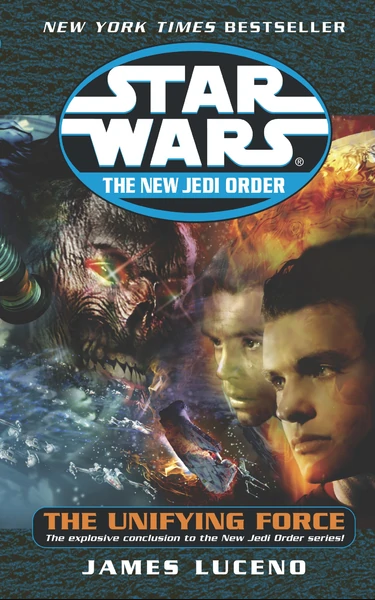
With the casting announcement, we now know that the heroes of the original trilogy will be sharing the screen with characters played by younger actors John Boyega, Daisy Ridley, Oscar Isaac, Adam Driver, and Domnhall Gleeson, some combination of which will presumably be their successors as primary heroes. If there is one Expanded Universe project that embodies the lessons Disney should take into account when creating a multigenerational sequel trilogy, it’s The New Jedi Order. In our Everything Disney Needs to Know series, Mike and Lisa have suggested lessons to be drawn from standalone Expanded Universe works, but nothing in the Expanded Universe so perfectly parallels the task of the sequel trilogy, nor offers such directly applicable lessons, as The New Jedi Order.
The Thrawn trilogy is often touted as the Expanded Universe’s “sequel trilogy,” and that’s true to the extent that it’s the best of the immediate saga-level followups to Return of the Jedi. If the sequel trilogy were being made in 1990, the Thrawn trilogy might be the best model. The nineteen-book super-series The New Jedi Order, set twenty-five years after the movies, however, not only much better accords with the challenges of the sequels being made now, but it functions better in general as a continuation of the Star Wars saga. By focusing on passing the torch from the heroes of the original trilogy to their children and spiritual heirs, the NJO mirrors the task the sequels must undertake. By constructing meaningful character arcs and creating a bold new narrative, the NJO accomplished something outstanding in the Expanded Universe and set the standard for genuinely continuing the saga.