Schrödinger’s Padawan: Why Ahsoka Tano Deserves An Ending

rebels2x17_1041

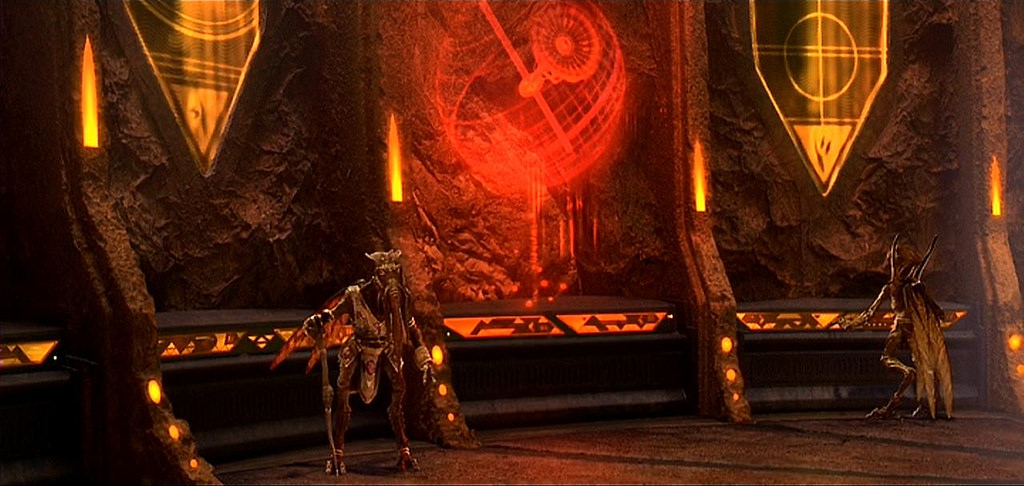
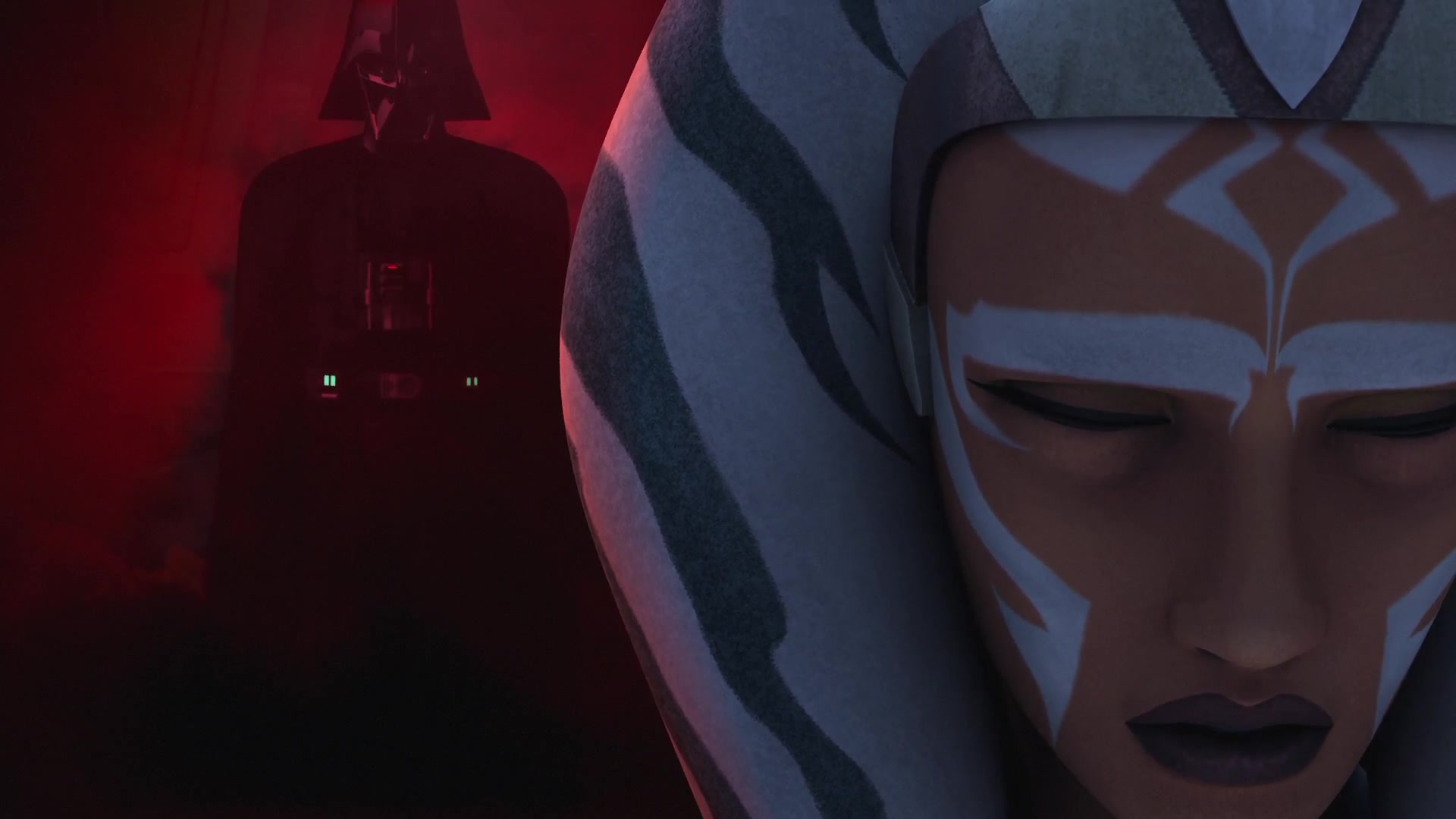
The season two finale of Rebels shook things up in a major way. Kanan has been blinded, most likely permanently. Maul has survived yet again to go cause trouble for Rebellion and Empire alike. Ezra feels the pull of the dark side more strongly than ever. And Ahsoka finally realized the truth about Anakin Skywalker. Her confrontation with him was something fans had been eagerly looking forward to since she appeared on the Ghost at the end of season one.

Which is why I am increasingly frustrated that Ahsoka’s fate has been left in limbo yet again – and apparently may not get resolved for some time. If it was simply a matter of being left on a season finale cliffhanger with the reasonable expectation that we would see her again next season, that would be one thing. But Dave Filoni’s comments seem to imply (to me anyway) that Ahsoka won’t be showing up on Rebels again any time soon. Just like at the end of season five of The Clone Wars, fans are once again left wondering what will happen to Ahsoka.

Read More

Escape Pod: Imperial Defectors and the Rand Ecliptic

randMoral relativity is hard to do in Star Wars, because it’s a tale of good versus evil. However, sophisticated storytelling expects that things are rarely black and white. Add in the influence of fans, and it’s not surprising that villains end up being quite popular in Star Wars. The Galactic Empire is probably one of the most popular villains in fiction, and so it’s easy to see why there’s an interest in presenting the Empire as a little more nuanced than purely evil. This always runs the risk of whitewashing Imperial atrocities, or presenting the “good Imperial” – the person who is certainly not a Rebel, but also not a bad person. We’re personally always suspect of the idea of the “good Imperial,” because while we very much enjoy reading about Imperials we also don’t want to sacrifice the theming of the Star Wars saga.

The new Star Wars canon has done a good job addressing this issue so far, from realistically portraying how people end up buying into the Imperial system in Lost Stars, to exploring the loss of innocence and seduction of evil in the Servants of the Empire series, to examining the mindset of an Imperial Security Bureau agent in Rebels. At the end of the day though, the people who stick with the Empire are usually either delusional, corrupted, or participants in the Imperial system – at least those who are involved in furthering its goals. But not always. There are certainly the rare Imperials who serve with honor and distinction, and try to refuse the worst orders – even if they’re not “good” compared to the heroes of the saga, they might be good by Imperial standards. But there are also those who realize their decency isn’t compatible with Imperial service, it’s these people we want to talk about today: Imperial defectors.

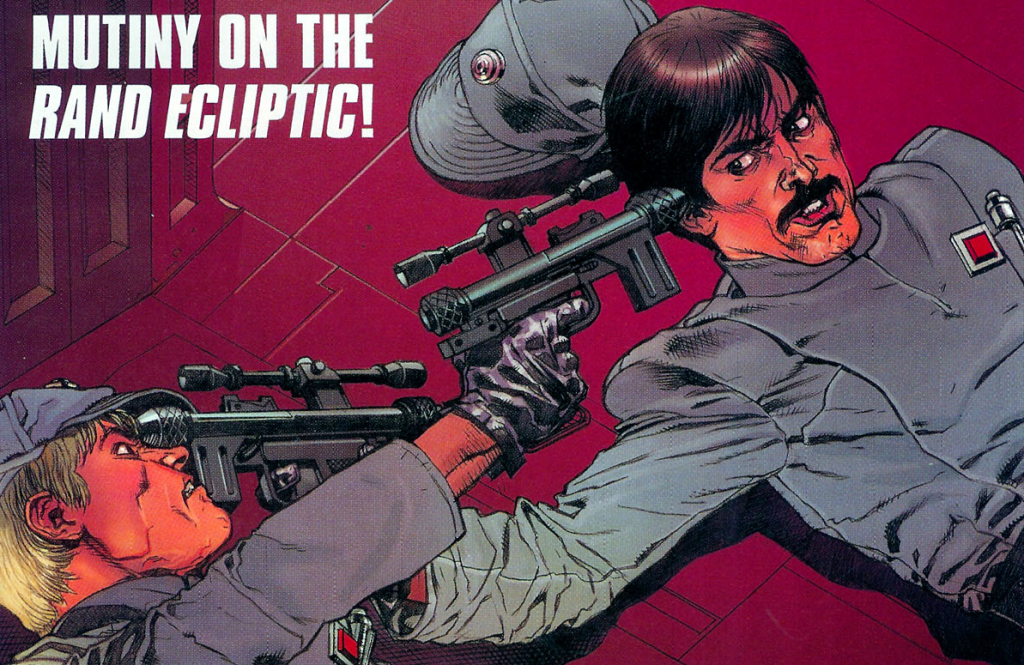
In the Legends EU, many prominent Rebel characters – including film characters such as Jan Dodonna, Crix Madine, Biggs Darklighter, and Derek “Hobbie” Klivian – began their careers as dutiful Imperial officers. EU mainstays such as Kyle Katarn, Soontir Fel, and Tycho Celchu also started out as Imperial officers. These officers defected to the Rebellion when they realized that the Empire wasn’t living up to its own honorable ideals, often in response to atrocities they were ordered to commit. Biggs and Hobbie defected almost right out of the Academy, taking their ship – the Rand Ecliptic – with them. Imagine what other defectors flew with them – heroic, goodie-two-shoes aren’t the only kind of people who might’ve left the Empire’s service and we’re missing out on good characters if we think that. Lost Stars and Aftermath both gave us examples of flawed, human Imperial officers who defected to the Rebellion – but there’s such storytelling potential in exploring the different types of people who might come to a realization that Imperial service just isn’t for them.

Read More

Not Automatically Good – Rethinking Star Wars Novels

reyhan-cockpit

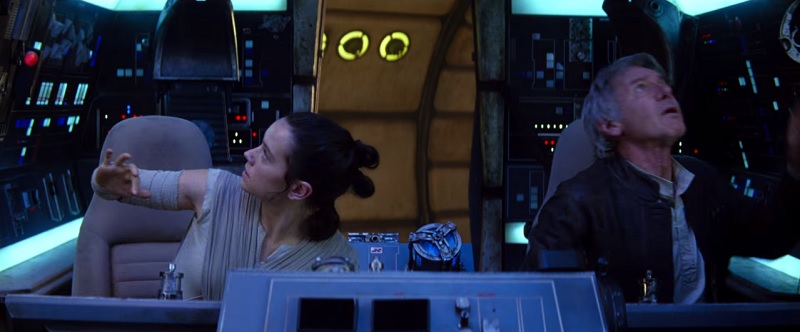
“When you’re directing a scene on the Millennium Falcon, it doesn’t make the scene good. Now it’s bitchin’ that it’s on the Millennium Falcon. You want a scene on the Millennium—if I could make a suggestion, direct scenes on the Millennium Falcon, cause it’s hugely helpful. But it doesn’t make the scene automatically good.”

–JJ Abrams at San Diego Comic-Con, July 2015

One of the major recurring topics of Star Wars fandom over the last few years has been the notion that this is, in some fundamental way, a movie franchise. At face value that may seem obvious, but there’s more to it than there might seem right away. For a lot of fans, especially nineties kids like myself, far more of our formative years was spent reading Star Wars books, comics, Essential Guides, and so on than watching the films. Even once the prequel trilogy was coming out, and causing occasional headaches for the Expanded Universe, there was always an understanding that the film aspect of the franchise was not just finite but distinctly limited—they were a storm we just had to weather before the EU took over again. Just like there was never going to be an Episode VII, nor would there be a III.V, or a Zero, or a Negative Twenty. The films were Anakin’s life story, and if that wasn’t the major draw for you, no big deal. If you liked harder military science fiction, Star Wars was a novel franchise about the continuing war with the Empire. If you liked Jedi melodrama, the comics of John Ostrander and Jan Duursema were your Star Wars. If you were a gamer, Star Wars was Dark Forces or X-Wing Alliance or The Force Unleashed.

And yeah, one of the coolest things about it was that all those different pocket universes intersected and fed off of each other—at least in theory—so even if you mostly kept in one or two lanes yourself you still got to feel like part of this grand tapestry of SW fandom. Things are different now, and frankly I don’t blame some people for still not being okay with that, but it is what it is. Movies are once again steering the ship, and will be for the foreseeable future no matter what part of the timeline you’re into; that doesn’t ruin Star Wars, in my opinion, but it does necessitate a degree of realignment. What role should supplemental material—which is what the books are now, supplements—play in a movies-first franchise? What role can they play best? Read More
The Shadows of the Clone Wars

deathstar-geonosis

This article was sparked off by regular ETE commenter John, in response to the Fantasy Foresight piece that considered how simply killing all Imperials would have been insufficient to stop the Starkiller. What might these shadows be? And how do they play into that superweapon’s development? At the risk that the impending book Bloodline will blow up most of this, let’s consider a few possibilities.

First, the elephant in the room – that the New Republic was caught napping by the Starkiller. Would a government set up by those that destroyed Death Stars really be so spectacularly lacking in vigilance? The answer has to be probably not, but what of time eroding that? A decade on, the need to keep an eye out for threats would have reduced – likely certain politicians would be making political capital out of efficiency measures that reduce the spend on such monitoring. Two decades on? The deck tilts further towards no need for it. Add even more years in and… Read More

Can a Force User Ever Be “Gray?”

rey-duelcloseup

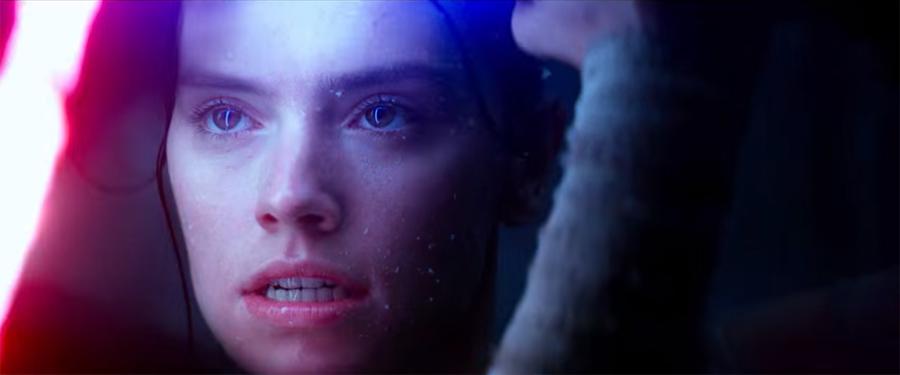
The concept of a Gray Jedi—one who walks the line between both the light and the dark sides of the Force—is popular among many in the Star Wars fan community. And I don’t blame them! After seeing the dogmatic, stuck-up Jedi of the prequel trilogy, who wouldn’t want to add a bit more of the passionate flair characteristic of the dark side? And why shouldn’t Jedi be allowed to use some Force lightning on their foes every now and then? In our postmodern era, with anti-heroes like Batman and Deadpool, doesn’t it seem that a strict adherence to the light side is a bit…old fashioned?

Yet while at first glance the existence of a Gray Jedi seems possible, and maybe even admirable in theory, I will argue that the canonical Star Wars universe leads us to reject this possibility. A Force user who willfully attempts to use both sides of the Force over the long term cannot hope to maintain their internal moral compass—ultimately they will fall. Read More