“It’s called Star WARS” – Gareth Edwards
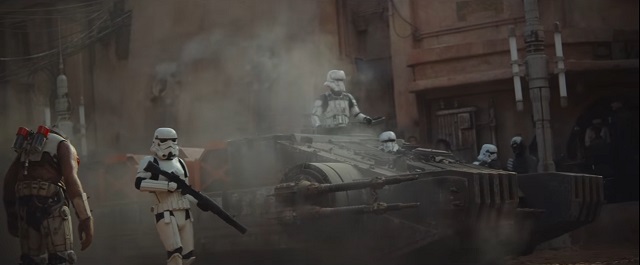
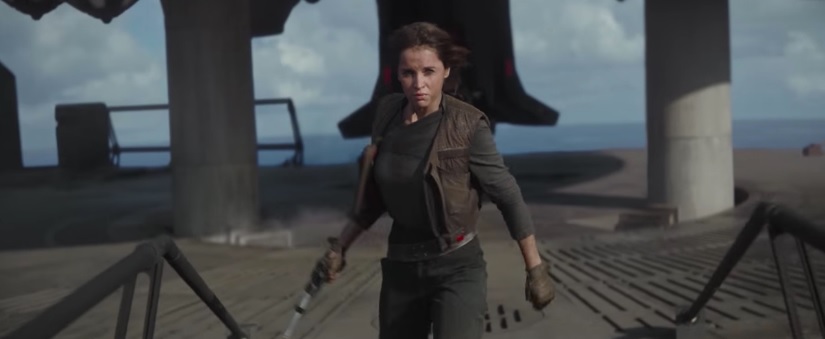
The success of Rogue One with critics, fans and at the box office will have come as a huge relief to Lucasfilm. Not only does it show that the series can succeed without centering on the saga of the Skywalker family, it also indicates that the wider audience are open to the idea of entirely new kinds of Star Wars films. Rogue One has been lauded both for its gritty vision of war, and for its morally grey portrayal of the Rebel Alliance.
For fans who follow Star Wars outside the films, and have read Battlefront or seen the Clone Wars “Darkness on Umbara” arc, the idea that you can tell a “gritty” war drama in this world is nothing new. Rogue One, to us, might not seem like a radical departure, but to the eyes of the general viewer it is something entirely different. It is a bold move for a franchise to make after forty years, and seven films which have stayed fairly close to the same format: despite some aesthetic and tonal differences between and within the episodic “saga” films, they are all essentially mythic “hero’s journey” space fantasy tales, with a visual language that is part Flash Gordon, part Kurosawa. The risk of shaking up such a familiar format after all this time shouldn’t be downplayed.
The furthest the films went in terms of playing with genre before now was during the first hour of Attack of the Clones, where the paranoid thriller of Obi-Wan’s film noir-inspired investigation into an assassination attempt is intercut with old-fashioned courtly-love melodrama: all lakes, flowers and fireplaces. The jaggedness of this contrast, though, is one of the things AotC receives criticism for, and in any case, it returns to a more traditional Star Wars feel for its final act. Rogue One is something new – it is resolutely attempting to tell a story in another genre, the “war movie,” but set within the universe of Star Wars. Read More